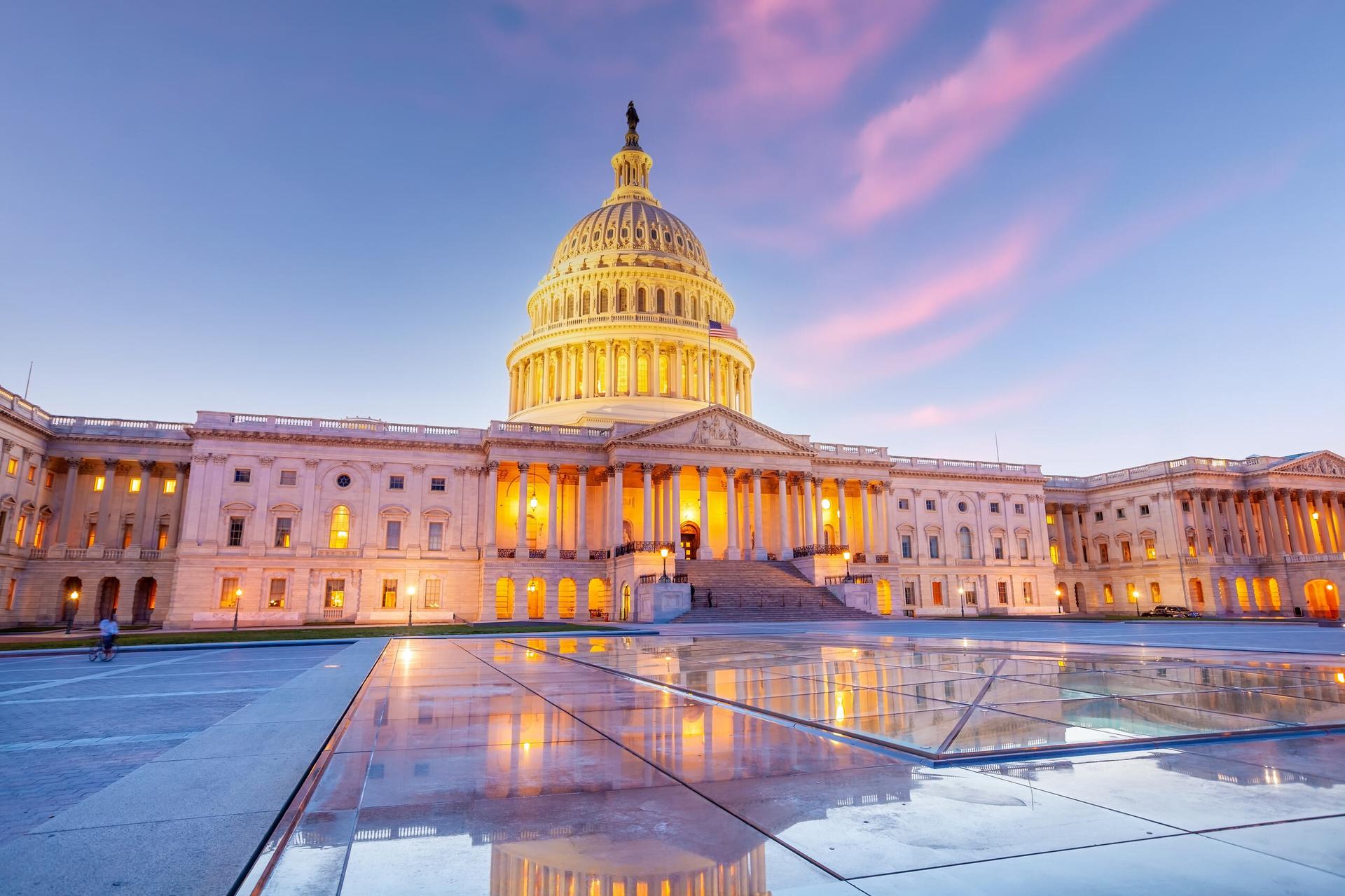
DC Insider for Higher Education Leadership
|
|
|
June 2025 · View in browser
|
The only monthly report designed specifically for small and mid-sized college and university presidents and leadership to understand what’s happening in Washington, DC and how it impacts your institution.
|
- Budget Battles Continue: Senate eases House bill (keeps undergrad loan subsidies), but standoffs over accountability and FY26 funding prolong uncertainty.
- Research Rules in Flux: Courts block overhead caps; new funding models emerge. Colleges face shifting grant terms and compliance questions.
- $30B Freeze Raises Stakes: OMB halts agency funds, setting up potential constitutional clash over spending authority.
- Legal Pushback Gains Ground: Courts reverse grant cancellations and agency cuts, offering temporary wins amid ongoing litigation.
- Sector Sounds the Alarm: Higher ed associations warn that budget cuts, stalled funding, and policy shifts risk long-term damage to research and access.
|
|
|
A Message from John McAllister
|
|
|
Thank you for reading our DC Insider, McAllister & Quinn’s monthly perspective on what is happening in Washington, DC and how it may impact your institution. We developed our DC Insider to provide strategic intelligence at the nexus of federal funding and higher education with a non-partisan perspective in an easily digestible format.
McAllister & Quinn represents over 150 higher education institutions nationwide, providing strategic intelligence and grant seeking support to diversify and increase external funding, strengthen and grow institutional capacity, and navigate the evolving funding landscape. Together, with our higher education clients, we have secured over $1 billion in funding to support institutional priorities like scholarships, recruitment and retention initiatives, research, and equipment.
Our internal expertise, talented staff and professional grants consulting network support our efforts to meet the distinct needs of each of our clients. We hope you find our DC Insider informative and pass it along to colleagues who may be interested.
|
|
|
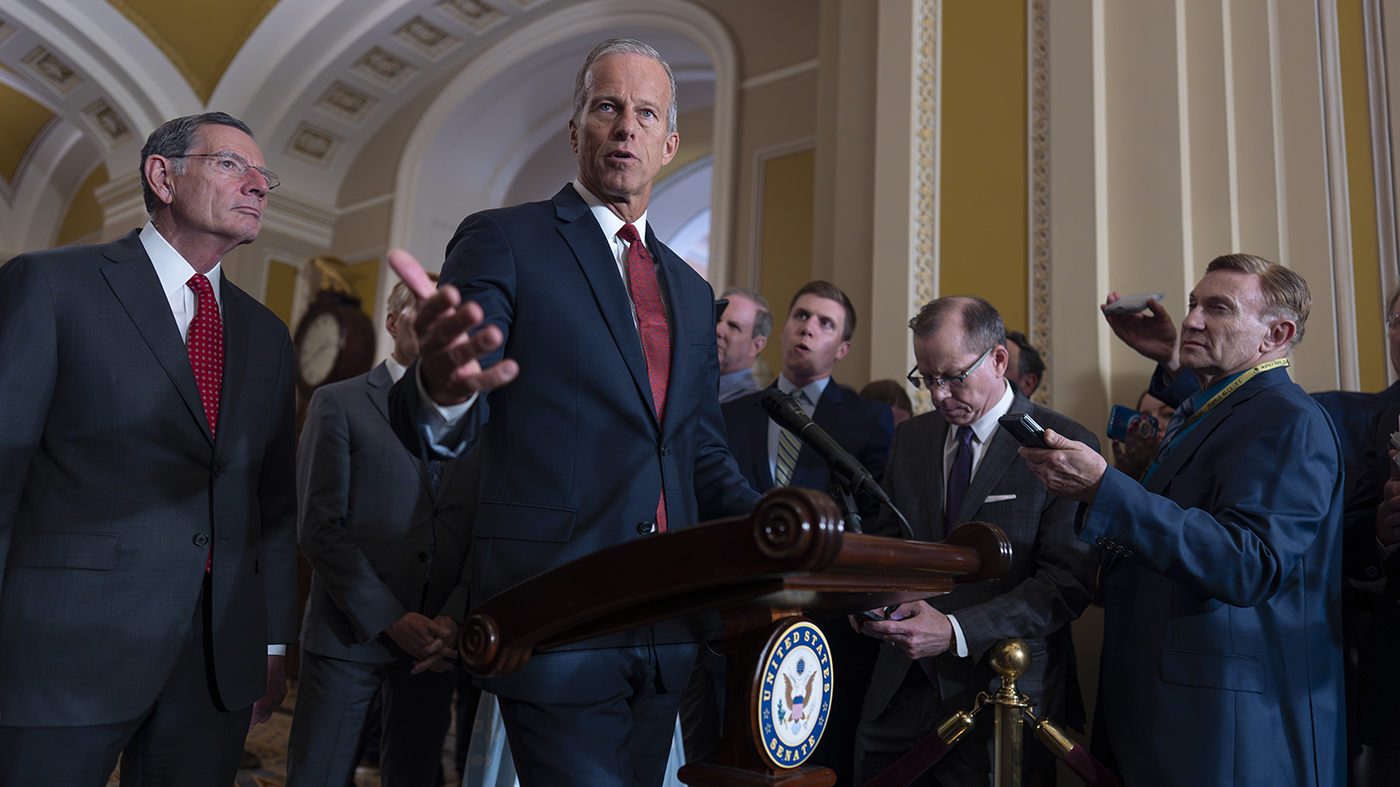
Senate Majority Leader John Thune (R-SD) speaks with reporters following the weekly Senate Republican luncheon at the Capitol in Washington on June 24. (Saul Loeb/AFP via Getty Images)
|
On the reconciliation front, the Senate’s version of the One Big Beautiful Bill Act (OBBBA) takes a more measured approach than the House’s sweeping proposal. While both chambers agree on capping graduate loans and expanding Pell Grants to short-term programs, the Senate version maintains subsidized loans for undergraduates, avoids limiting Pell eligibility for part-time students, and removes a controversial risk-sharing penalty on colleges. Instead, it introduces an “earnings test” to tie institutional aid eligibility to graduate income levels.
Higher education advocates have welcomed the Senate’s softer stance but caution that even this version may reduce access for low-income students and increase repayment burdens. The biggest sticking point in reconciliation negotiations remains how to hold institutions accountable, either through the Senate’s earnings-based threshold or the House’s repayment-based penalties. The final contours of the bill will likely come down to how much savings are needed for the broader reconciliation package.
Meanwhile, the FY26 appropriations process is off to a slow and fractured start. While the President’s budget request has technically been released, it has trickled out in varying levels of detail, prompting frustration among Hill appropriators over the lack of transparency. As a result, appropriators have only just begun drafting bills. Relatedly, all congressionally directed spending (CDS) request disclosures have been posted in the House and Senate, with many earmarks requested for higher education institutions for science equipment, workforce centers, health professional programs, and more. Many organizations are eagerly awaiting draft bills to know if their projects will progress through the appropriations process.
Read more:
Inside Higher Ed: Senate Higher Ed Bill Walks Back Some House Proposals
|
As federal research grant notices increasingly reference Trump administration executive orders, such as those related to DEI programs and gender identity, colleges are responding in a variety of ways. Some institutions, including Williams College and the University of Minnesota, temporarily paused grant certifications or funding disbursements to review new terms, while others, like UNC Chapel Hill, have accepted grants but flagged the conditions for researchers. Many institutions are relying on legal counsel, external associations, or direct agency communication for guidance, though answers can be slow to materialize. Some researchers have modified existing projects or broadened study populations to remain eligible, while others have not yet received clear direction from administrators. A recent court ruling reinstating previously canceled NIH grants has offered temporary relief, but institutions continue to navigate a complex and evolving compliance landscape.
Read more:
The Chronicle of Higher Education: Research Grants Increasingly Require Compliance With Trump’s Orders. Here’s How Colleges Are Responding.
|
After multiple federal agencies moved to impose a 15% cap on indirect cost reimbursement for research grants, courts have temporarily or permanently blocked the policies at the NIH, the Department of Energy, and the Department of Defense. On June 24, a federal judge vacated the National Science Foundation cap, although the government can appeal. Though the caps are on hold for now, higher education leaders acknowledge that lasting change is likely. In response, a coalition of 10 major associations, known as the Joint Associations Group (JAG), has fast-tracked the development of two alternative funding models aimed at improving transparency and sustainability in how research costs are covered. The proposed FAIR 1 and FAIR 2 models would simplify cost categories and emphasize essential research support rather than using the term “indirect costs.” JAG sought university feedback and will present recommendations to Congress and the Trump administration later this month. As court battles over FY25 policies continue, JAG’s work could shape the long-term future of research funding.
Read more:
Higher Ed Dive: Tracking the Trump Administration’s Moves to Cap Indirect Research Funding
Inside Higher Ed: How Universities Would Overhaul Research Funding
|
The Office of Management and Budget (OMB), led by Russ Vought, has directed more than a dozen federal agencies to freeze over $30 billion in unobligated FY24 funds—including at NSF, EPA, NOAA, NASA, and Interior—in advance of a formal deferrals package to Congress. While the administration frames the move as a cost-saving measure aligned with the Department of Government Efficiency, critics argue it violates the Impoundment Control Act and longstanding constitutional norms that bar the executive from unilaterally withholding appropriated funds.
Vought defended the administration’s broader strategy in a contentious Senate hearing on June 25, where he urged lawmakers to support clawbacks to public broadcasting, foreign aid, and global health programs. The hearing, marked by protests and bipartisan skepticism, underscored the growing rift between OMB and Congress—even among Republicans—over efforts to erode legislative control of the federal purse. Vought declined to specify which programs would be cut, instead characterizing recipients like NPR, PBS, and PEPFAR as vehicles for “far-left activism.”
The agency freeze appears to be part of a broader endgame: triggering a “pocket rescission,” where the administration submits a rescission request just before the fiscal year ends, leaving Congress without the full 45-day statutory review period. That would allow the funds to be canceled automatically—likely prompting legal challenges and raising the prospect of a Supreme Court battle over executive power.
Read more:
E&E News: White House Looks to Freeze More Agency Funds—And Expand Executive Power
Politico: White House Floats New Funding Trick—and GOP Lawmakers Grimace
|
|
|
What You Should Read Today
|
|
|
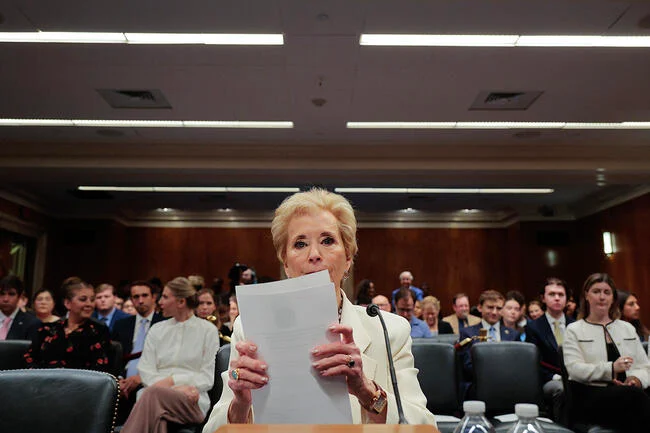
Education Secretary Linda McMahon prepares to testify before the Senate Appropriations Committee's Labor, Health and Human Services, and Education Subcommittee about the proposed 15-percent cut to the Education Department's budget on Capitol Hill on June 3 in Washington. (Chip Somodevilla/Getty Images)
|
On June 16, the Government Accountability Office (GAO) issued two legal decisions affirming that the President does not have unilateral authority to freeze or withhold congressionally appropriated funds. House Appropriations Ranking Member Rosa DeLauro (D-CT-04) welcomed the decisions, stating they reaffirm Congress’s constitutional power of the purse, and criticized the administration’s actions as unlawful and harmful to communities nationwide. (House Appropriations Committee Democrats)
|
A federal judge ordered NIH to reinstate roughly 800 DEI and LGBTQ+ related research grants, calling their cancellation discriminatory and a threat to scientific integrity. (Higher Ed Dive)
|
A federal judge has once again ordered the Trump administration to restore laid-off Education Department staff, this time requiring the Office for Civil Rights to return to full staffing and resume investigations into all forms of school discrimination, not just those aligned with presidential directives. (EducationWeek)
|
In a letter known as the “Bethesda Declaration,” hundreds of NIH staff raised alarm over budget cuts, grant terminations, and internal changes they say could hinder the agency’s scientific mission. (NPR)
|
Democratic appropriators have released a new tracker showing the Trump administration has blocked or canceled over $425 billion in approved funding, drawing sharp criticism over its impact on research, education, and infrastructure. (The Hill)
|
Senate Republicans and Democrats questioned Education Secretary McMahon over deep proposed funding cuts and her rationale at a Senate appropriations hearing. (Inside Higher Ed)
|
Accreditors are navigating heightened scrutiny and shifting expectations under the Trump administration as new executive orders target diversity standards and accelerate recognition of alternative accrediting bodies, fueling confusion and concern about how vague mandates will be implemented amid deep staffing cuts. (Higher Ed Dive)
|
Amid trade negotiations, President Trump announced Chinese students can continue attending U.S. colleges, easing concerns after earlier visa restrictions drew backlash from higher ed leaders. (LA Times)
|
New federal rules ramping up FAFSA identity verification are raising worries about delays and barriers for students lacking traditional forms of ID. (Inside Higher Ed)
|
The Education Department has abruptly halted its contract with the Association of Institutional Research for IPEDS training, leaving colleges without free guidance on federal data reporting and raising concerns over data quality. (Inside Higher Ed)
|
|
|
What the Associations are Saying
|
|
|
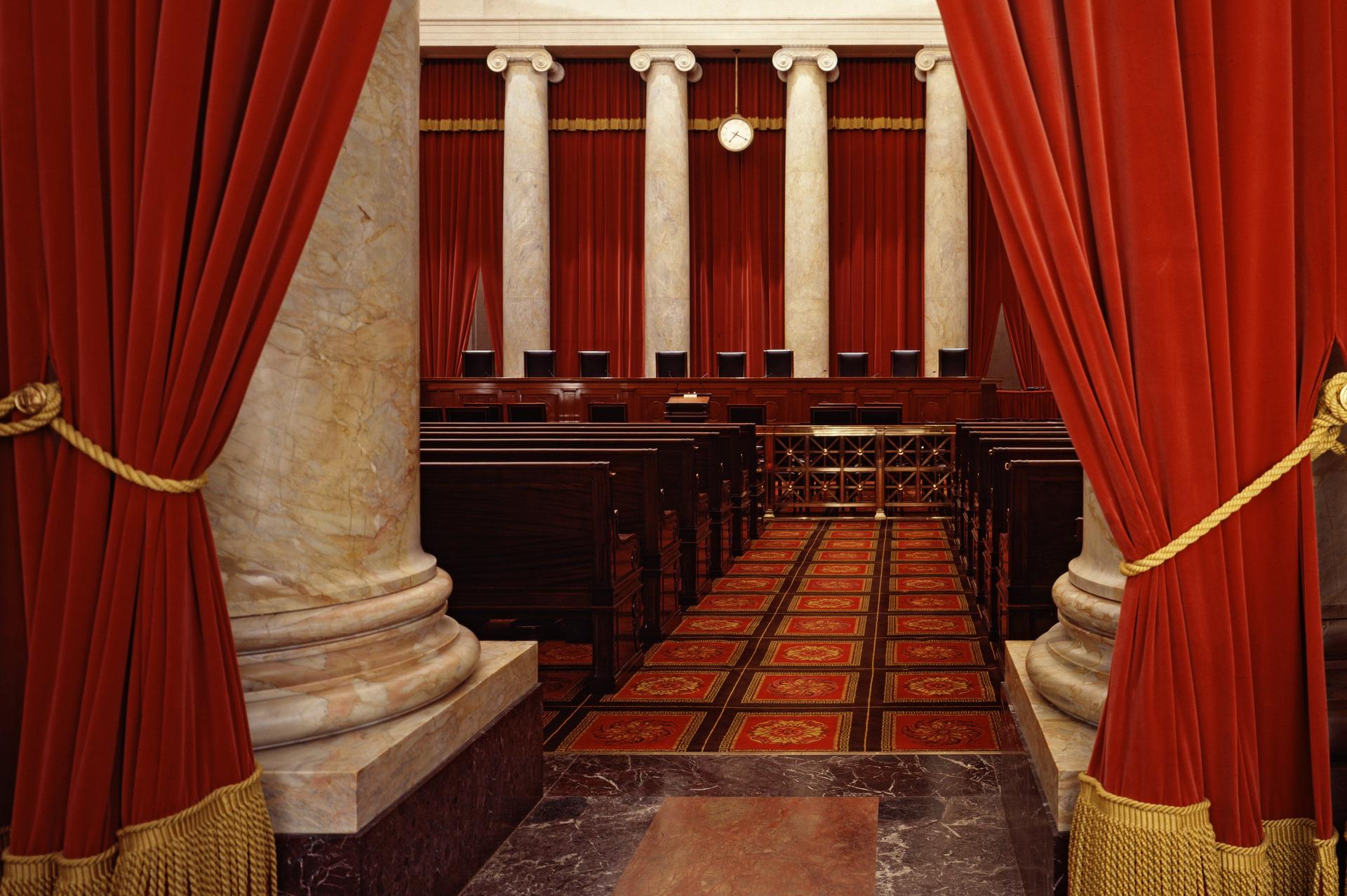
Inside the Supreme Court, Washington. (Carol M. Highsmith/Getty Images)
|
On June 7, the Association of American Universities (AAU) issued a statement warning that the Trump administration’s proposed FY26 budget threatens to undermine U.S. leadership in science and innovation. The statement cites proposed cuts to NIH and NSF, along with reductions in student aid and research training, as damaging to the nation’s scientific infrastructure, global competitiveness, and future workforce.
On June 16, the National Association of College and University Business Officers (NACUBO), the Council on Governmental Relations (COGR), and 16 other higher education associations filed an amicus brief supporting lawsuits challenging NIH’s 15% indirect cost cap, warning it threatens university-led research and regional innovation.
The American Association of Community Colleges (AACC) joined the American Council on Education (ACE) and 26 higher ed groups in an amicus brief supporting Harvard’s lawsuit against the Trump administration’s freeze of $2.4B in research funds, warning the move threatens academic freedom and due process across all sectors.
The American Educational Research Association (AERA), joined by AAC&U, AAPT, AAUP, WEPAN, and the United Auto Workers (UAW), filed suit challenging the DOGE-directed termination of 1,600 NSF grants, alleging unlawful interference with peer-reviewed awards and harm to the research enterprise. (AERA)
The Council on Governmental Relations (COGR) has released a detailed spreadsheet tracking all Trump-era executive orders, flagging which may affect federal grants and contracts—a new resource aimed at helping research institutions navigate rapidly shifting compliance risks.
|
|
|
McAllister & Quinn Insights
|
|
|
|
|
McAllister & Quinn invites college and university presidents, provosts, and advancement leaders to attend Cutting Through the Noise: Navigating Chaos in Washington, an exclusive two-day Government Relations Workshop designed to help higher ed leaders develop tailored strategies for engaging with the federal government under the current administration.
|
|
|
Higher education institutions face unprecedented challenges in securing funding, particularly for essential mental health services. Emily Wolf and Maeve Connolly from McAllister & Quinn joined TimelyCare Chief Strategy Officer Becky Laman as they broke down the current federal funding landscape, outlined key trends, identified accessible grant opportunities, and shared insights on building capacity to enhance your chances of funding success. This session provides clarity amid uncertainty, equipping your institution with actionable strategies to secure critical funding. Watch Here.
|
McAllister & Quinn Shares Strategic Insights with Higher Ed Leaders
|
Throughout June, McAllister & Quinn’s Higher Education team delivered strategic briefings on the evolving funding landscape at key gatherings of institutional leaders.
|
- John McAllister joined a panel at the COPLAC 2025 Summer Summit hosted by SUNY Geneseo, discussing advocacy strategies alongside Jessica Savage of Dixon Schwabl + Company and Leah George VanScott of Greater Rochester Enterprise.
- Jessica C. Gerrity, Ph.D., and Korie O’Kelly shared federal and region-specific funding updates with presidents at the Appalachian College Association meeting in Asheville, NC.
- John McAllister and Jessica C. Gerrity, Ph.D., gave a presentation on national trends and funding strategy during the closing session of the AALI Executive Leadership Academy in Washington, DC.
|
As institutions seek clarity in a shifting environment, we’re proud to provide timely, actionable insights. Interested in learning more or having McAllister & Quinn leaders share insights at your next meeting? Please contact us.
|
|
|
McAllister & Quinn is a consulting firm based in Washington, DC. The firm has secured over a billion dollars in funding for colleges and universities located across the United States. The McAllister & Quinn higher education team is comprised of former higher education and federal government professionals who have extensive experience seeking funding for scholarships, research, and academic programs.
McAllister & Quinn offers a free 45-minute phone consultation on specific federal grants for newsletter readers. If you are interested in scheduling a call to learn more about our services and upcoming federal grant opportunities, please contact John McAllister or Dr. Jessica Gerrity.
|
|
|
McAllister & Quinn
1625 Eye St NW Suite 750 Washington, DC 20006
(202) 296-2741
You received this email because you signed up for newsletters from McAllister & Quinn. To stop receiving this newsletter, unsubscribe.
Was this email forwarded to you?
Sign up now to get McAllister & Quinn in your inbox.
|
|
|
|